
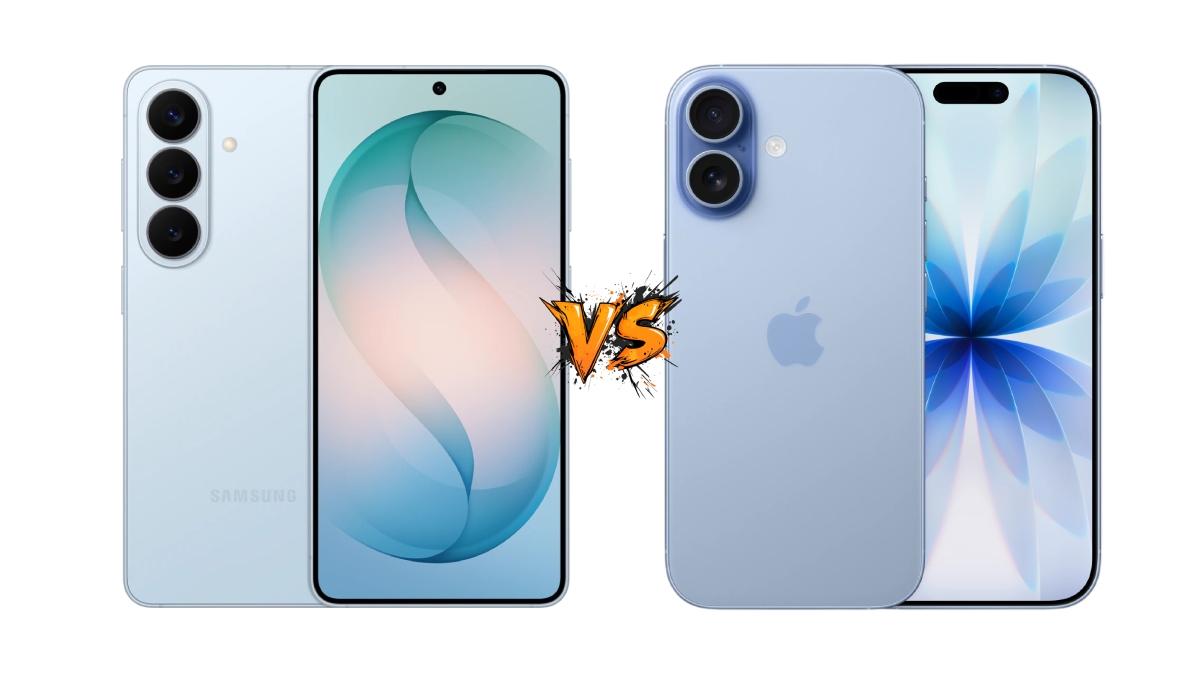

When it comes to flagship smartphones, two names dominate the global market: Apple and Samsung. Every year, millions of users compare the newest iPhone with Samsung’s latest Galaxy S series. In 2026, the comparison most people are talking about is iPhone 17 vs Samsung Galaxy S26.
Both devices represent the best technology these companies offer. They feature powerful processors, advanced cameras, beautiful displays, and strong performance. However, no smartphone is perfect. Even the most expensive flagship phones can experience issues such as overheating, battery drain, software bugs, or hardware problems.
For people considering an upgrade—or for users already experiencing issues—the big question is: Which phone has more problems, the iPhone 17 or the Samsung Galaxy S26?
This detailed guide compares the two devices and highlights the most common issues reported by users and experts, helping you understand the strengths and weaknesses of each phone.
Overview of iPhone 17 and Samsung Galaxy S26
Before discussing problems, it’s helpful to understand the basic specifications of these two flagship devices.
The iPhone 17, released in September 2025, runs on Apple’s powerful A19 chip and iOS 26 operating system. It focuses heavily on ecosystem integration, meaning it works smoothly with devices like MacBooks, Apple Watches, and iPads.
The Samsung Galaxy S26, released in early 2026, runs Android 16 with Samsung’s One UI interface and offers powerful multitasking capabilities, higher RAM, and extensive customization options.
Both phones feature:
-
High-refresh-rate displays up to 120Hz
-
Advanced camera systems
-
AI-powered features
-
Long-term software support
However, despite their impressive technology, both devices still have their own weaknesses.
Common iPhone 17 Problems Reported by Users
1. Limited Hardware Changes
One criticism of the iPhone 17 series is that it offers relatively small upgrades compared to previous models.
Some analysts believe that the improvements are not significant enough to justify upgrading from the previous generation. Even features like MagSafe upgrades are considered incremental rather than revolutionary.
This doesn’t mean the phone is bad, but many users expected bigger innovations from Apple.
2. Battery Concerns on Certain Models
Battery performance varies across the iPhone 17 lineup. While higher-end models such as the Pro Max perform well, some variants may have smaller batteries that raise concerns about long-term battery life.
Apple relies heavily on software optimisation to manage battery usage, but heavy users sometimes report faster battery drain during:
-
Gaming
-
Video recording
-
Navigation apps
-
AI-powered features
3. Limited Customization
One common complaint among Android users switching to iPhone is the limited customization in iOS.
Compared with Android devices like the Galaxy S26, iPhone users cannot freely change:
-
Default system behaviour
-
App layouts
-
Advanced system settings
While Apple prioritizes simplicity and security, some users feel restricted by these limitations.
4. Higher Repair Costs
Another issue with iPhones is the cost of repairs.
Apple devices often require:
-
Genuine Apple parts
-
Specialized repair tools
-
Authorized service centers
This can make repairs more expensive compared with many Android devices.
For example, screen replacements and motherboard repairs can cost significantly more on iPhones than similar Samsung repairs.
Common Samsung Galaxy S26 Problems
Now let’s look at issues reported with Samsung’s latest flagship.
1. Potential Heating Concerns
Some reports suggest that the Galaxy S26 could experience efficiency issues due to hardware design changes such as modem placement in certain chip variants.
External modems may increase heat generation, particularly during heavy tasks like:
-
5G data usage
-
Gaming
-
Video recording
Samsung continues improving thermal management, but overheating can still occur during intense use.
2. Battery Performance Compared to Competitors
Although the Galaxy S26 Ultra has strong battery life, some tests show that it still lasts less than competing devices like the iPhone 17 Pro Max in certain scenarios.
For example:
-
S26 Ultra battery test: around 16 hours
-
iPhone 17 Pro Max: nearly 18 hours
This difference is not huge, but heavy users might notice it.
3. Software Complexity
Samsung’s One UI interface offers many features, but that also introduces complexity.
Some users report issues such as:
-
Occasional app crashes
-
Slower updates compared to Apple
-
Software bugs after major Android updates
Because Android supports thousands of devices, updates can sometimes take longer to reach users compared with iOS.
4. Feature Overload
Samsung phones are known for offering a huge number of features.
The Galaxy S26 includes:
-
AI-powered tools
-
Advanced multitasking
-
S-Pen support (Ultra models)
-
DeX desktop mode
While these features are powerful, they can sometimes cause confusion or increase the chances of minor software glitches.
Display Technology Comparison
Both phones feature excellent displays.
The iPhone 17 has a high-resolution OLED display with around 460 pixels per inch, while the Galaxy S26 uses Samsung’s AMOLED technology with slightly lower pixel density.
Samsung also introduced new features like a privacy display mode that limits viewing angles to protect sensitive information.
However, advanced display features can occasionally create issues such as:
-
brightness inconsistencies
-
display calibration problems
-
accidental screen touches
These issues are rare but can occur on any smartphone.
Performance and Speed
In terms of performance, both phones are extremely fast.
The iPhone 17 uses Apple’s A19 processor, while the Galaxy S26 runs either the Snapdragon 8 Elite or Exynos 2600 depending on the region.
Performance differences include:
iPhone 17 advantages
-
Highly optimized software
-
Smooth performance with less RAM
-
Better long-term stability
Samsung S26 advantages
-
Higher RAM for multitasking
-
Better split-screen features
-
More customization options
In daily use, most people will not notice major differences.
Camera Issues and Performance
Cameras are one of the biggest selling points for both devices.
The Galaxy S26 Ultra features an advanced camera setup with a high-resolution main sensor and multiple telephoto lenses, while the iPhone 17 lineup focuses on improved image processing and video recording.
However, common camera-related issues on smartphones include:
-
autofocus problems
-
blurry images
-
lens flare in bright light
-
software processing errors
These issues occasionally appear in both ecosystems.
Software Updates and Stability
Software updates play a major role in device stability.
Apple typically provides fast and consistent updates because it controls both hardware and software.
Samsung has improved dramatically in recent years and now offers up to seven years of software support for flagship devices.
However, Apple still has a slight advantage when it comes to:
-
faster update rollout
-
consistent performance after updates
-
fewer compatibility issues
Repair and Maintenance Comparison
From a repair perspective, both devices can develop common problems over time such as:
-
cracked screens
-
battery degradation
-
charging port damage
-
camera failures
However, repair costs often differ.
iPhone repairs tend to be more expensive, particularly for motherboard repairs and display replacements.
Samsung devices can sometimes be easier to repair depending on the model and parts availability.
For repair businesses, both devices frequently require:
-
screen replacement
-
battery replacement
-
charging port repair
-
water damage treatment
So Which Phone Has More Issues?
The truth is that neither phone is perfect, but neither phone is particularly problematic either.
Here’s a simple breakdown:
iPhone 17 common weaknesses
-
expensive repairs
-
limited customization
-
smaller hardware upgrades
-
battery concerns on some models
Samsung Galaxy S26 common weaknesses
-
possible overheating under heavy load
-
slightly shorter battery life in tests
-
more complex software
-
occasional update delays
Overall, the number of issues is fairly balanced.
However, the type of problems differs.
-
Apple focuses on simplicity but limits flexibility.
-
Samsung offers more features but sometimes introduces extra complexity.
Which Phone Is More Reliable?
If reliability and stability are the top priority, many users still prefer iPhones because of Apple’s tightly controlled ecosystem.
If flexibility, customization, and multitasking matter more, Samsung devices often feel more powerful and versatile.
Ultimately, reliability depends less on the brand and more on how the phone is used and maintained.
Final Thoughts
The battle between the iPhone 17 and Samsung Galaxy S26 continues the long-standing rivalry between Apple and Samsung.
Both phones offer incredible performance, powerful cameras, and premium design. Yet like all modern smartphones, they still have some minor issues.
The iPhone 17 tends to focus on stability, ecosystem integration, and smooth performance. Meanwhile, the Galaxy S26 emphasizes innovation, AI features, and advanced multitasking.
So which phone has more issues?
The honest answer is neither stands out as significantly more problematic. Each device has its own strengths and weaknesses, and most issues depend on individual usage patterns rather than the phone itself.
For most users, both devices remain among the best smartphones available today.
FAQs
Which phone is better, iPhone 17 or Samsung S26?
Both phones are excellent. The iPhone 17 offers better ecosystem integration, while the Samsung S26 provides more customization and multitasking features.
Does Samsung S26 overheat?
Some reports suggest heating during heavy tasks like gaming or 5G use, but Samsung has improved cooling systems to reduce this issue.
Is iPhone 17 battery better than Samsung S26?
Battery tests show the iPhone 17 Pro Max lasting longer than the Galaxy S26 Ultra in certain situations.
Which phone lasts longer?
Both Apple and Samsung now offer around 6–7 years of software support, so longevity is similar.
Which phone is easier to repair?
Samsung phones are sometimes easier and cheaper to repair, while iPhones often require official parts and specialized service.